BLUF
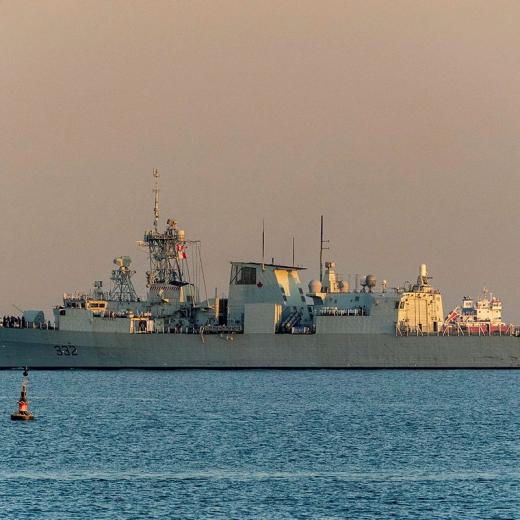
Since Finland and Sweden joined NATO, rising Russian hybrid activities, sabotage, drone incursions, and confrontations in the Baltic Sea have increased tensions. NATO seeks to deter threats through vigilance, cooperation, and transparency while avoiding escalation.Learning Outcomes
- Describe the nature of hybrid warfare in the Baltic Sea region and identify key threats, including sabotage, cyberattacks, drone incursions, GPS interference, and infrastructure disruption.
- Assess the challenges NATO and regional partners face in balancing deterrence and de-escalation when responding to Russian activities and potential security incidents.
- Explain how regional cooperation, intelligence sharing, surveillance, and emerging technologies contribute to protecting critical infrastructure and enhancing security in the Baltic Sea region.