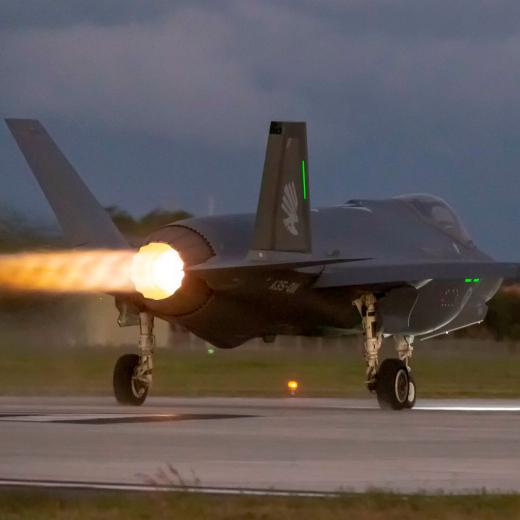
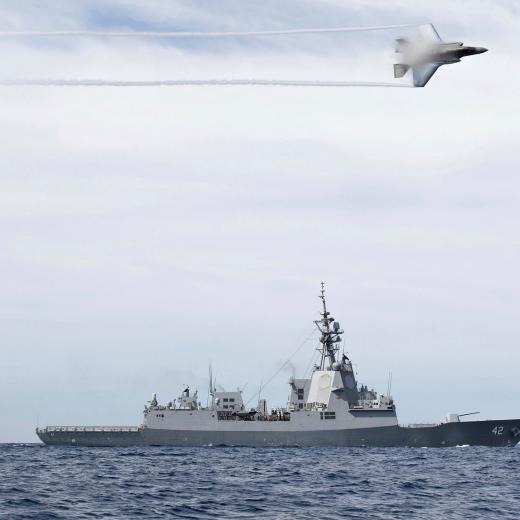
The 2024 National Defence Strategy focuses on integrated operations, increased funding, modernisation, and strengthening partnerships to secure Australia's future defence.
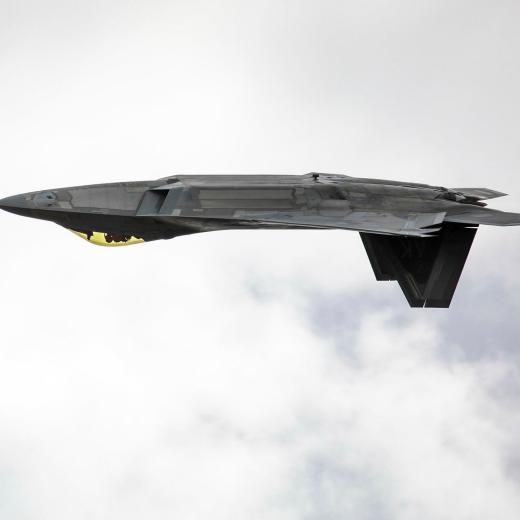
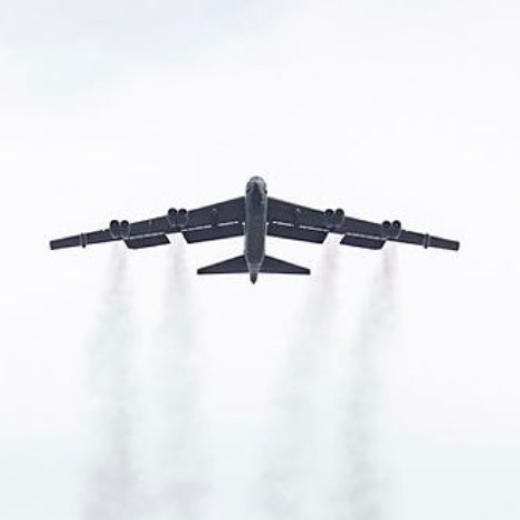
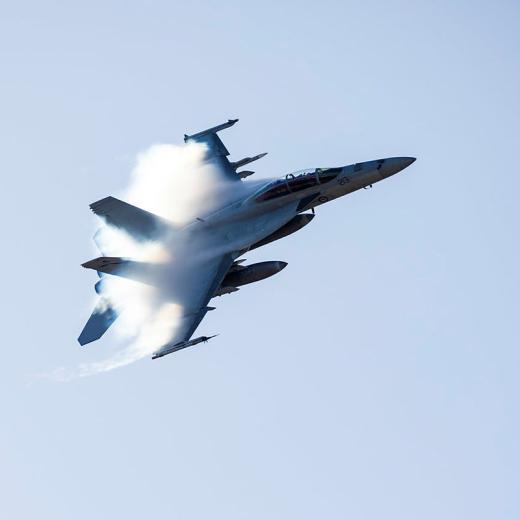
A collection of articles from both military and non-military sources related to or about air power theory and application.
A collection of articles exploring how AI and GPT are impacting industries, transforming military operations, and influencing daily life, while potentially shaping the future of defence and innovation.
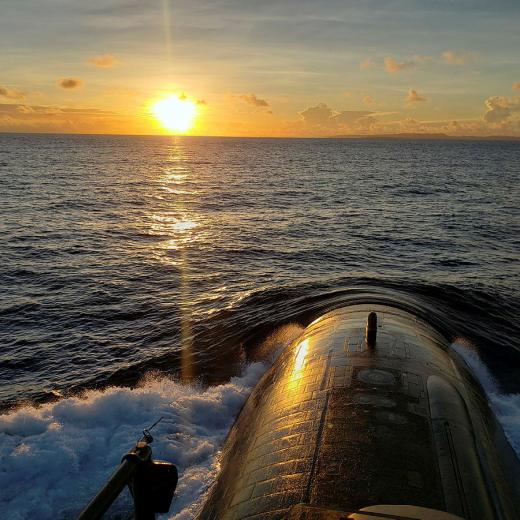
AUKUS is a security partnership between Australia, the United Kingdom, and the United States, announced in September 2021. Its purpose is to strengthen defence cooperation and long-term stability in the Indo-Pacific. The Partnership Has Two “Pillars” Pillar I — Nuclear-Powered Submarines It includes: Australia acquiring nuclear-powered (not nuclear-armed) submarines. US and UK assisting Australia with the technology, training, infrastructure, and regulatory frameworks. A long transition where: US and UK submarines rotate through Australia in the early 2030s. Australia buys a small number of Virginia-class subs. Australia, the UK, and the US jointly develop a new class of submarine called SSN-AUKUS. Pillar II — Advanced Defence Technologies
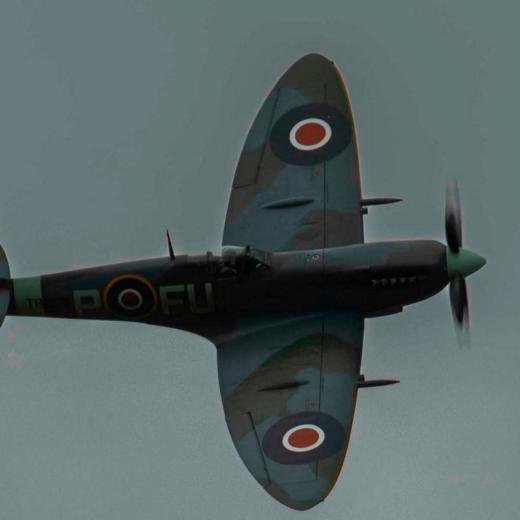
The Battle of Britain was a critical air campaign in World War II from July to October 1940, where the Royal Air Force (RAF) defended the United Kingdom against large-scale attacks by Nazi Germany. The RAF's victory, achieved through technological advantages like the Dowding System of radar and a coordinated air defense network, prevented a German invasion and was a turning point in the war. Fought primarily with iconic aircraft like the Spitfire and Hurricane. The first major military campaign fought entirely by air forces.
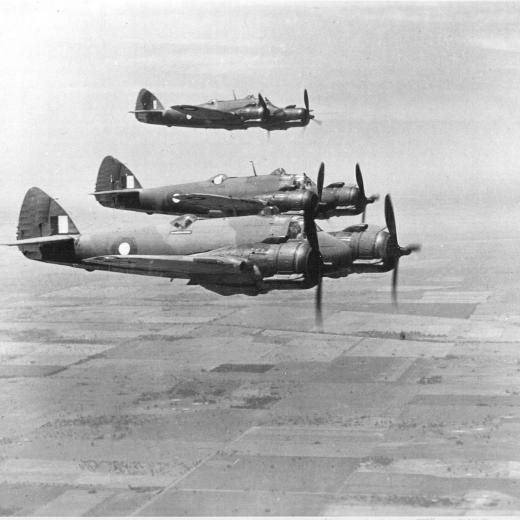
The WW2 Battle of the Bismark Sea was a pivotal battle in which the RAAF and USAAF played a major role in completely destroying a Japanese convoy carrying 3000 soldiers to reinforce Japanese positions in Lae. RAAF squadrons involved included No. 22 Squadron (Boston light bombers), No. 30 Squadron (Beaufighter fighters), No. 100 Squadron (Beaufort torpedo bombers), No. 75 Squadron, and photographic reconnaissance units.
The Defence Strategic Review highlights how climate change is an issue of National Security. The ADF must be aware of the impacts of climate change on regional stability and how this affects ADF activities. This collection contains articles relevant to the topic of climate change and how it relates to the ADF.
Critical thinking is the intellectually disciplined process of actively and skillfully conceptualizing, applying, analyzing, synthesizing, and/or evaluating information gathered from, or generated by, observation, experience, reflection, reasoning, or communication, as a guide to belief and action.
The Review outlines the need for for a whole of Government approach to national defence. Operational success will depend on the ability of the Integrated Force to apply critical capabilities as listed in the section below.
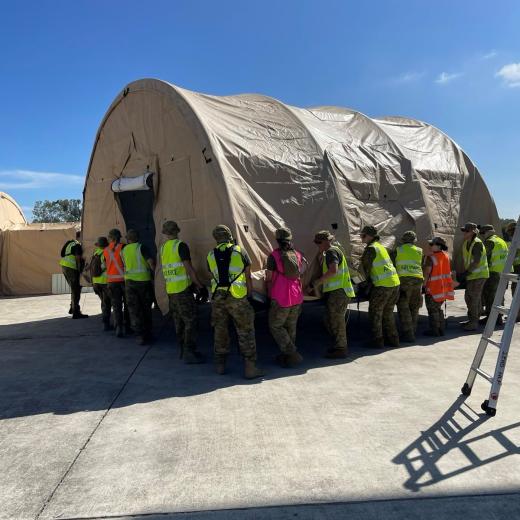
Talisman Sabre is a large-scale, biennial military exercise, between Australia, the US and partners, designed to test and improve joint and combined military operations and interoperability. Talisman Sabre 2025, ( 13 July to 4 August ) involved over 40,000 military personnel from 19 nations and included a wide range of activities across different domains, such as air, land, sea, space, and cyber.
Collection of famous and though provoking posts about management theory.
A collection of articles related to the issue of gender, peace, and security in relation to UNSCR 1325 on Women, Peace and Security.
The articles and references in this collection all more or less support the idea that it is probably not a good idea— to attribute certain characteristics to a group of people, based purely on when they were born.
Australia sees the Indo-Pacific as its strategic neighbourhood. Its role is to support a region that’s stable, open, and shaped by clear rules rather than force and build defence cooperation through arrangements like AUKUS ( Australia, UK & US), the Quad (Quadrilateral Security Dialogue- Australia, India, Japan &US), and bilateral ties with countries such as PNG, Japan, India, Indonesia, and Singapore
With a population of 280 million, Indonesia is the world’s largest archipelagic state, has the world’s largest Muslim population and Southeast Asia’s largest economy. It’s a member of the G20 with a diverse economy based on natural resources (coal, palm oil, gas), manufacturing, agriculture, and a growing digital sector. It is a founding member of the Association of South East Nations (ASEAN) and the non-aligned movement.
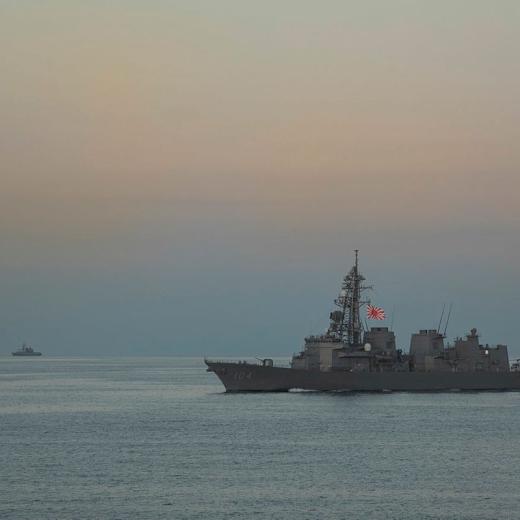
Japan’s highly industrialised market economy was the fourth-largest in the world in 2024. Japan is our third-largest trading partner and our nations work together in multilateral and regional fora. Australia and Japan enjoy a strong and broad-ranging security relationship and have unprecedented strategic alignment including the renewed 2022 Joint Declaration on Security Cooperation and a Reciprocal Access Agreement (RAA). Australia selected Japan’s upgraded Mogami-class frigate as the Royal Australian Navy’s future general purpose frigates to be built in Japan and Australia.
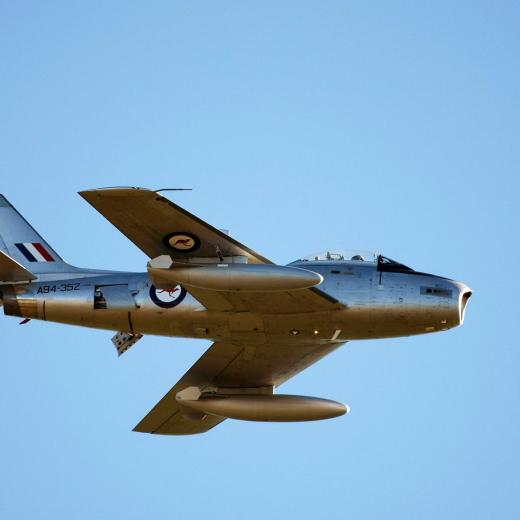
During the Korean War (1950-53), air power played a crucial role in shaping the conflict's course, facilitating ground operations, and affecting strategic decisions. RAAF Involvement. No. 77 Squadron was the primary combat unit. Initially equipped with P-51 Mustang piston-engine fighters and later with Gloster Meteor jet fighters. Roles included interdiction, armed reconnaissance, ground support, and escorting US bombers. The squadron flew almost 19,000 sorties, claimed five MiG-15s, and suffered heavy losses.
Australia is a trading nation, reliant on international trade for ongoing economic stability and prosperity. To protect this trade, it is logical that one of the Australian Defence Force’s five core tasks—as outlined in the 2024 National Defence Strategy—is to:‘Protect Australia’s economic connection to our region and the world’— the maritime domain.
Effective logistics are fundamental to military success, impacting resource allocation, strategic advantage, and operational tempo.
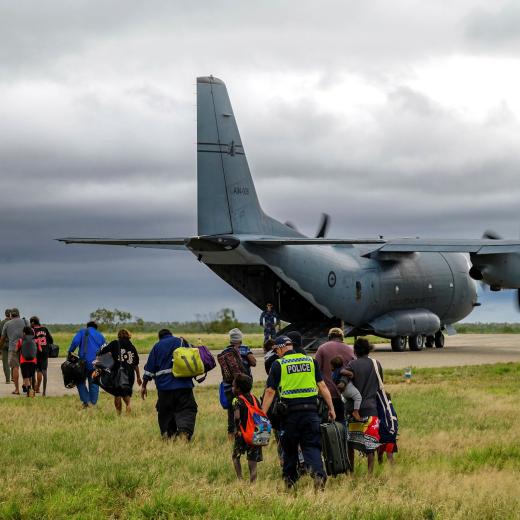
Resilience is a core concept in the 2024 National Defence Strategy (NDS) part of a broader strategic approach called National Defence. This is defined as a whole-of-government and whole-of-nation approach to protecting Australia and its interests in a complex strategic environment.
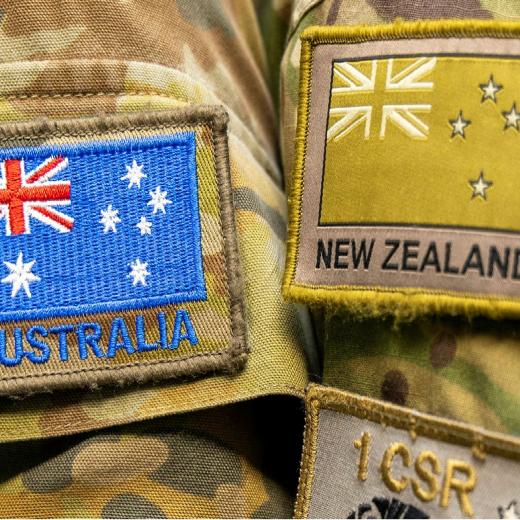
New Zealand consists of more than 600 islands, including the two main islands, the North and South islands. With a population of about 5.3 million people, the majority of New Zealanders live on the North Island. While not the nation’s capital, Auckland is the largest city and is home to about one-third of the population. New Zealand’s Defence Force (NZDF) has just over 15,000 members. The NZDF is currently undergoing a modernisation process under the country’s Defence Capability Plan. Australia and NZ formed strong, lasting bonds at ANZAC (Australia NZ Army Corps) Cove in WW1.
On 28 February 2026, the United States military, in partnership with the Israel Defence Force, commenced Operation Epic Fury. The US Department of War states that Operation Epic Fury's mission is to: "Destroy Iranian offensive missiles, destroy Iranian missile production, destroy their navy and other security infrastructure (so) they will never have nuclear weapons." This is a collection of articles that discuss how this war is being fought.
Operation Okra, initiated in 2014, was Australia's joint military campaign against ISIS in Iraq and Syria.
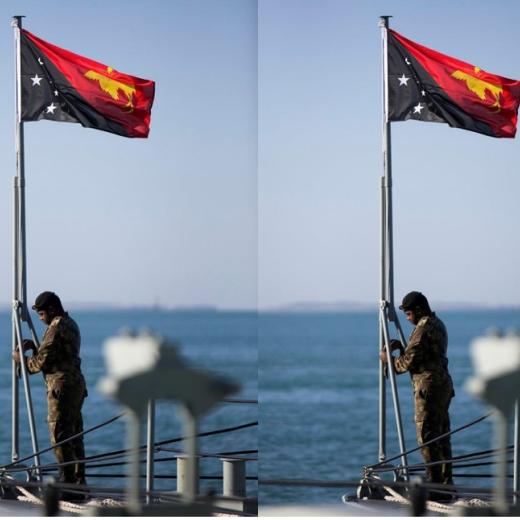
PNG has immense cultural and biological diversity, with over 800 languages spoken and a population of around 12 million that is predominantly rural, relying on subsistence agriculture. Rugby league is the national sport and a unifying force across the country. In WW1 an Australian Naval and Military Expeditionary Force took over the German colony of New Guinea which was then administered by Australia under a League of Nations mandate. The whole country achieved full independence from Australia in 1975. In October 2025 the Pukpuk Treaty established a formal alliance that includes a mutual defence commitment.
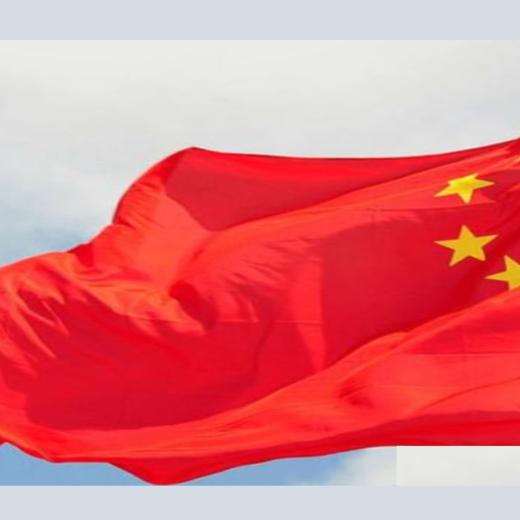
A collection of articles about China.
Personnel management boosts military readiness by enhancing cohesion, morale, resource use, and communication, while promoting leadership and addressing individual needs.
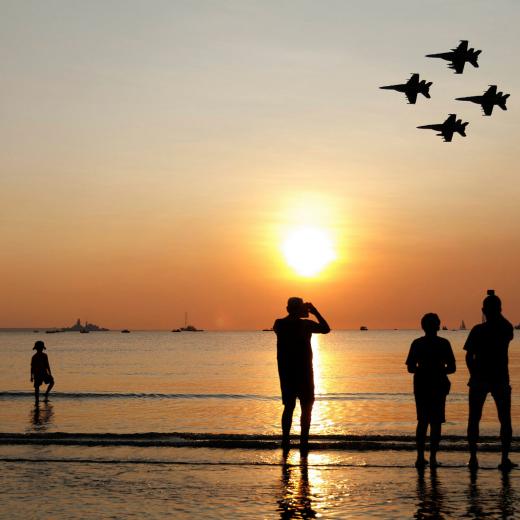
Exercise Pitch Black 2024 was the largest ever, involving 20 nations, enhancing international cooperation and regional stability.
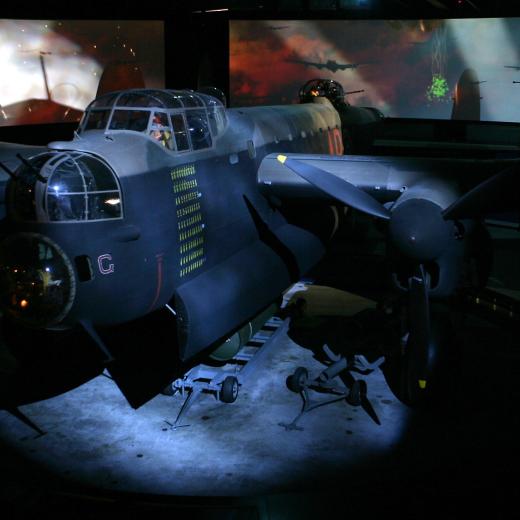
RAF Bomber Command played a crucial role in WWII, conducting long-range bombing missions against enemy targets. Eight Royal Australian Air Force (RAAF) squadrons served with the Royal Air Force (RAF) Bomber Command during World War II: 455, 458, 460, 462, 463, 464, 466, and 467. These squadrons included thousands of Australian airmen and airwomen in roles like pilots, navigators, and engineers, though they were often integrated with British personnel.
What comes to mind when you think of resilience? Is it getting up after being knocked down, again and again? Is it pushing on in the face of adversity or constant challenges? Or, perhaps when you think of resilience you picture mental toughness or having a warrior-mindset. It’s fair to say that resilience is all those things—but, it’s even more.
A collection of articles about civilian and military use of the space domain.
Articles related to or on Strategic Agility.
TED Talks are influential presentations covering diverse topics in technology, entertainment, and design, delivered by experts and innovators worldwide, aiming to inspire, educate, and spark meaningful conversations in under 18 minutes.
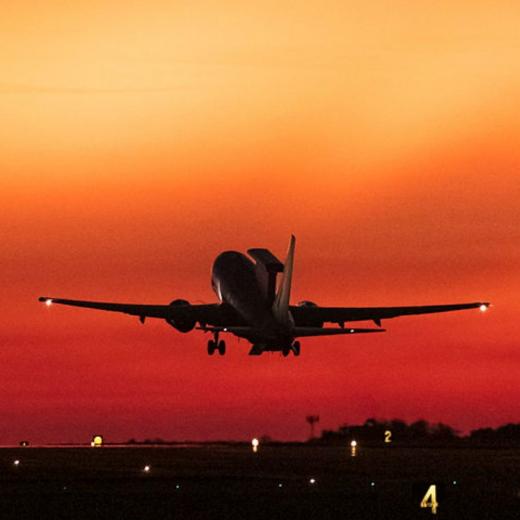
Ukraine has a population of around 38 million, Russia 144 million. With such a disparity, Ukraine has innovated with cheap, scalable technologies, improvisation, decentralised forces, and integration of autonomy and AI to counteract Russia’s numerical and heavy-weapons advantages. It provides a multitude of warfighting lessons to other nations. Australia is one of the largest non-NATO contributors to Ukraine including Wedgetail aircraft support , Abrams tanks and training through Operation Kudu.
A collection of articles related to the United States of America.
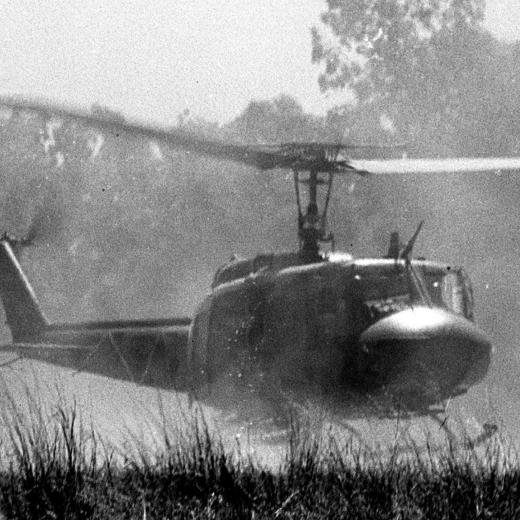
Airpower was integral to the Vietnam War (1955-1975) , transforming military strategy and leaving a lasting impact. The RAAF squadrons in Vietnam were No. 2 Squadron (Canberra bombers), No. 35 Squadron (Caribou transport aircraft), and No. 9 Squadron (Iroquois helicopters). Other RAAF units, including No. 5 Airfield Construction Squadron, also deployed to support operations.
Warfighting embodies the conduct of warfare to achieve national objectives through military force, based on Clausewitz's principle that war is politics by other means. Clausewitz's Definition of War necessitates government-directed use of force in alignment with strategic political goals.
Welcome to a series of podcasts for Conversations on The Runway titled: Women in Leadership. This series looks at women serving across a range of ranks and services and delves into their experiences of what is involved in fostering diverse and enduring leadership in Defence.
Australia entered the First World War in 1914 as part of the British Empire, sending volunteers to fight in key campaigns from Gallipoli to the Western Front and the Middle East. The war had a huge social, political, and emotional impact on the country. More than 416,000 Australians enlisted from a population of fewer than 5 million. The Australian Flying Corps was Australia’s first military aviation unit. Formed before the War and expanded during it, the AFC flew reconnaissance, bombing, and fighter missions in the Middle East and on the Western Front. It laid the foundation for the Royal Australian Air Force.
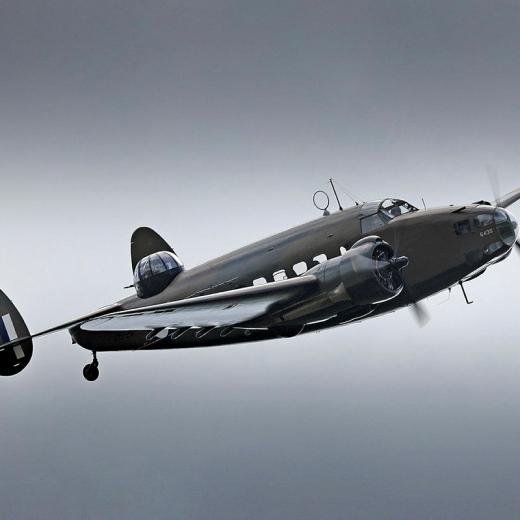
Australia entered WWII in 1939, fought in Europe, North Africa, the Mediterranean, and across the Pacific, and reshaped its national identity through the war — especially after turning to the US when Japan entered the conflict in 1941. At the war's end, the RAAF had the fourth largest air force with over 152,000 personnel and nearly 6,000 aircraft.