Key aspects of the treaty

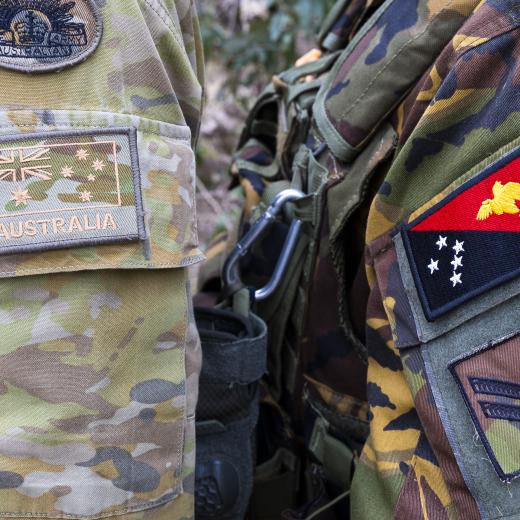
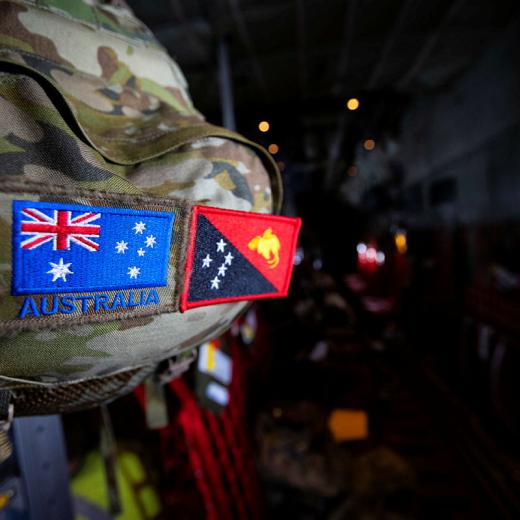
  • Formal alliance: The treaty creates a formal military alliance, a first for Australia in 70 years and its third after New Zealand and the United States.
  • Military cooperation: It strengthens cooperation through enhanced defence capabilities, shared training, and interoperability between the forces of both nations.
  • Recruitment pathway: A key feature is the creation of a recruitment pathway for PNG citizens to serve in the Australian Defence Force, which could provide structured training and opportunities.
  • Regional security: The treaty is seen as a strategic move by Australia to maintain its influence in the Pacific and a response to China's expanding presence in the region.
  • Youth opportunities: Supporters highlight the treaty as a way to create structured opportunities and upward social mobility for PNG's youth through defence. 

Context and implications

  • Historical context: The treaty formalises a long-standing relationship, building on decades of defence cooperation between the two countries.
  • Geopolitical implications: It could be seen as a response to growing Chinese influence in the Pacific, though PNG has stated it would not get involved in a hypothetical conflict between China and Australia.
  • Concerns: Some concerns have been raised about the treaty, including the potential for it to escalate internal security issues within PNG or become a tool in great power competition.
  • Sovereignty: PNG's government has emphasised that the treaty is intended to enhance its sovereignty and is not a loss of independence.