1. War Begins — Support for Britain (1939–41)
  • Early contributions focused on distant campaigns:
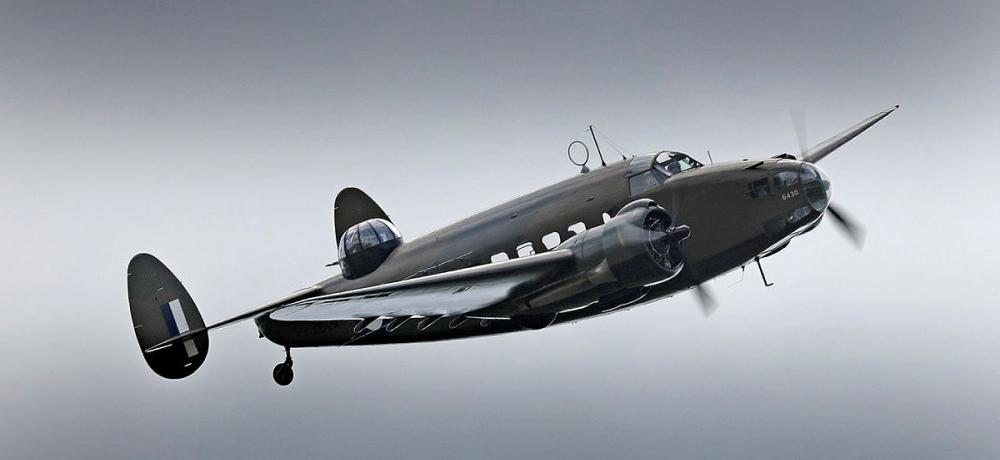
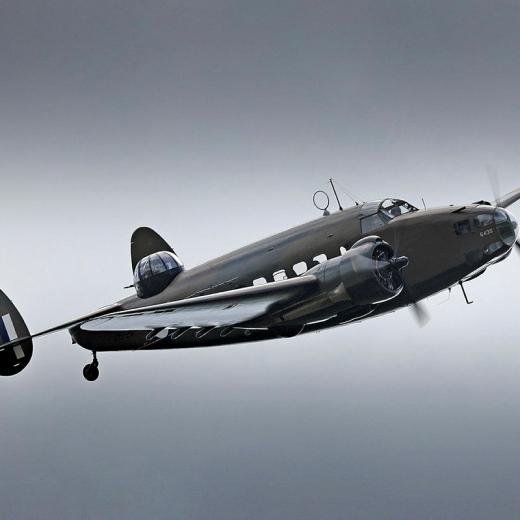
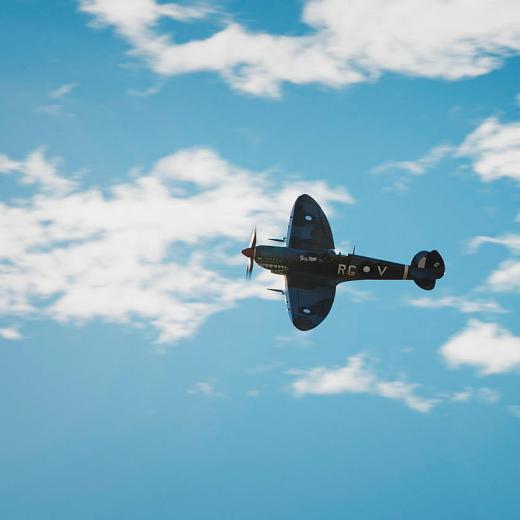
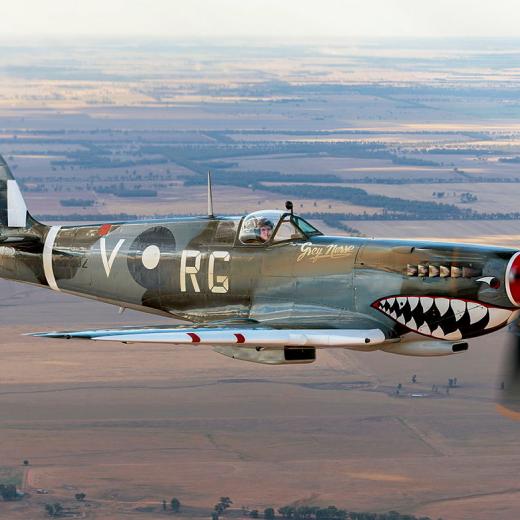
    • RAAF crews flew with the RAF in Europe. No 460 Squadron suffered 589 Australian combat deaths.
    • Australian soldiers fought in North Africa, Greece, Syria, and Crete.
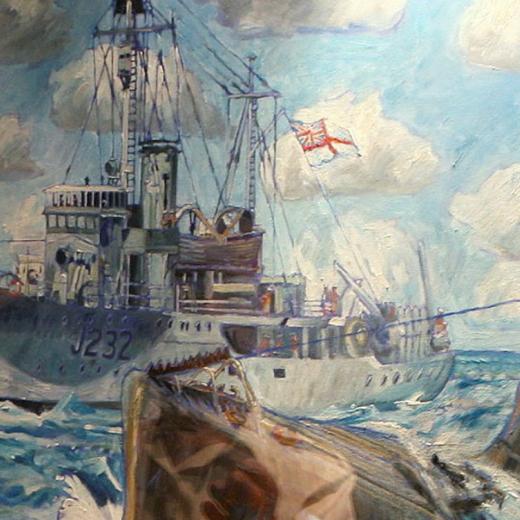
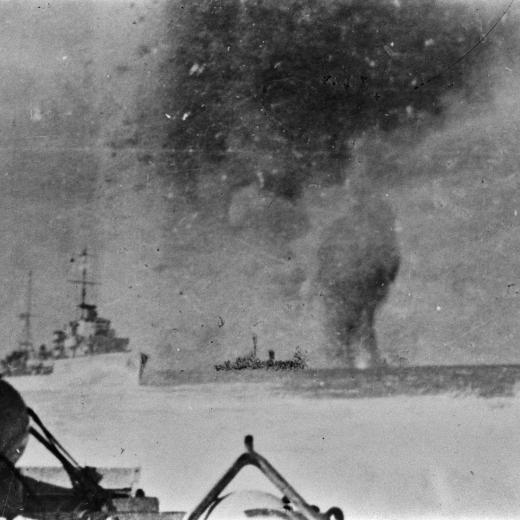
    • The RAN escorted convoys and fought in the Mediterranean.

2. The Pacific Threat Changes Everything (1941–42)

  • Japan’s entry into the war brought the fighting much closer to home.
  • The fall of Singapore in February 1942 was a shock — Australia lost a key defensive line.
  • Darwin was bombed repeatedly, and attacks reached as far south as Broome.
  • Australia shifted its strategic dependence from Britain to the US.

3. Fighting in the Pacific (1942–45)

  • Australian forces played central roles in stopping Japan’s advance:
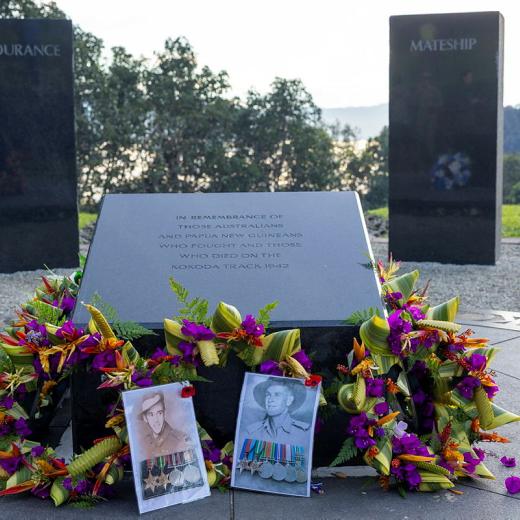
    • Kokoda Track in Papua & the battles on the Owen Stanleys.
    • Milne Bay — the first major land defeat for Japanese forces.
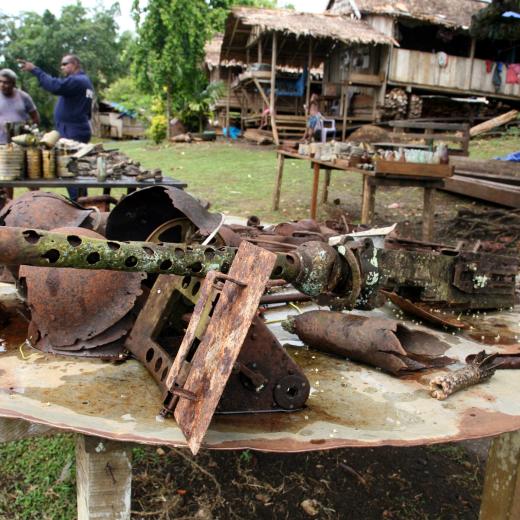
    • Campaigns in New Guinea, Bougainville, Borneo, and the islands of the SW Pacific.
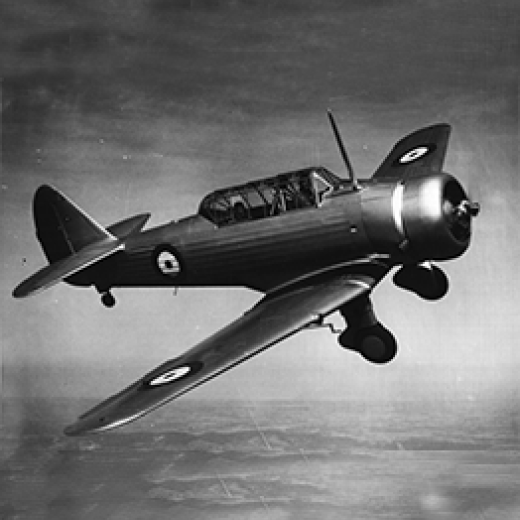
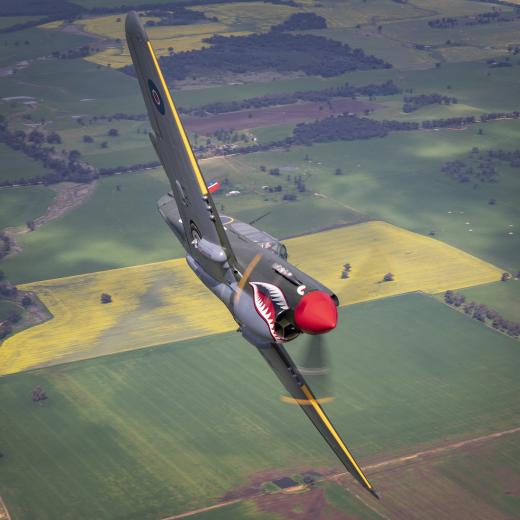
  • The RAAF expanded rapidly — from a small peacetime force to one of the world's largest by 1945.

4. Home Front and National Effort

  • The entire economy shifted to war production — munitions, aircraft, and shipbuilding.
  • Women entered industries and services in unprecedented numbers.
  • Conscription was expanded to allow service in the South-West Pacific zone.
  • The government introduced rationing, censorship, and tighter security.

5. Cost and Legacy

  • Around 1 million Australians served in uniform.
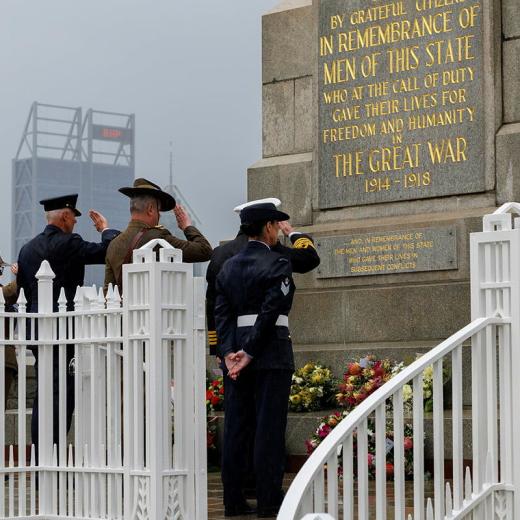
  • More than 39,000 died and roughly 30,000 became prisoners of war — many under brutal Japanese captivity.
  • The war accelerated Australia's move toward a more independent foreign policy and closer alignment with the US.