National Resilience includes strengthening:
1. National resilience generally — enhancing Australia’s ability to withstand, absorb and recover from shocks (strategic or security related).

  • Industry resilience — ensuring the defence industrial base can sustain capability production and support during crises.
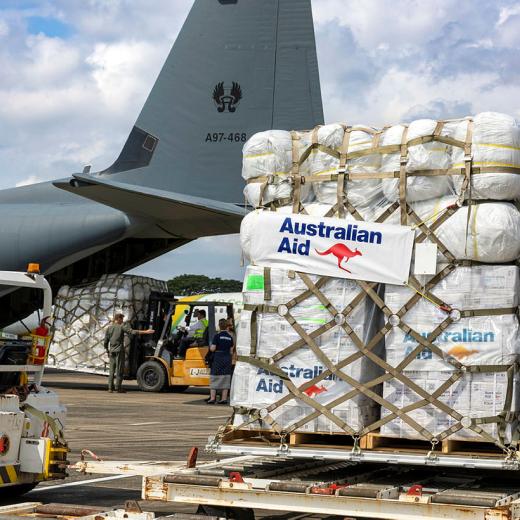
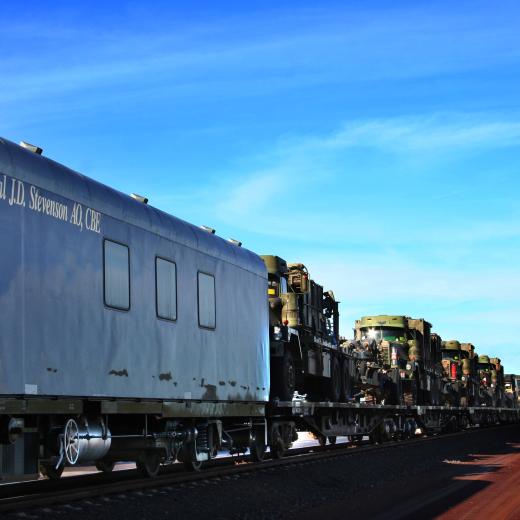
  • Supply chain resilience — securing supply chains critical to defence and national security.
    These resilience priorities are listed alongside integrated statecraft, workforce capacity, innovation, and intelligence community strengthening as complementary whole-of-government initiatives. 

    Operational resilience aspects:

  • A cohesive national effort that enhances deterrence by ensuring Australian society and systems can sustain stress and uncertainty.
  • Interoperability with partners to support shared resilience in the region.
  • Adaptable defence posture and preparedness to respond quickly to evolving threats — underpinned by resilient workforce, infrastructure and logistics.
    The strategy’s emphasis on deterrence by denial implicitly relies on resilient capability and infrastructure.
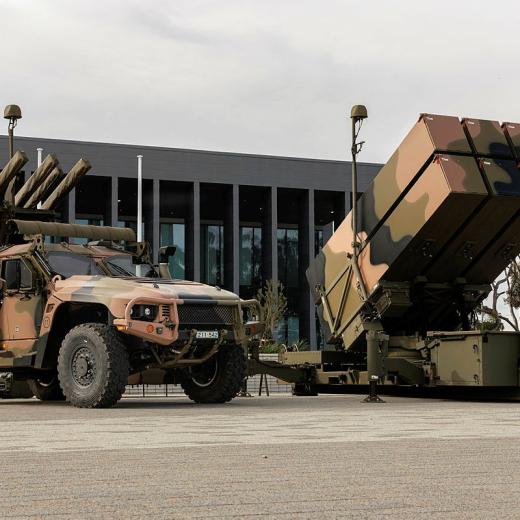
2. Resilience in the 2024 Integrated Investment Program (IIP)
Resilience-related investment priorities include:

Supply chain and industrial resilience

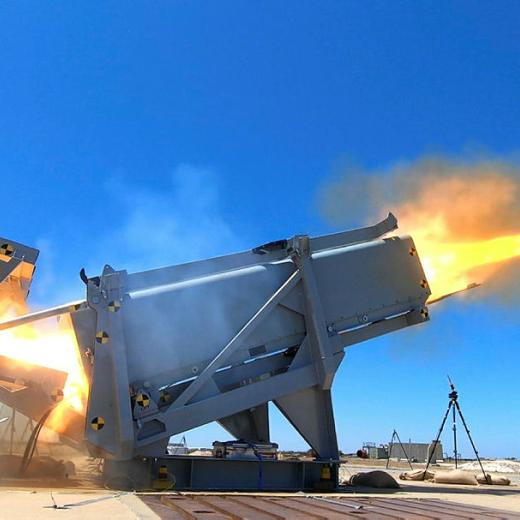
  • Investment in sovereign capability and defence industry uplift (e.g., domestic manufacturing for guided weapons, ordnance and key platforms) enhances supply chain robustness against external disruption
  • The IIP explicitly supports industry resilience, linking local industry participation to strategic capability delivery and sustainability. 

Fuel and logistics resilience

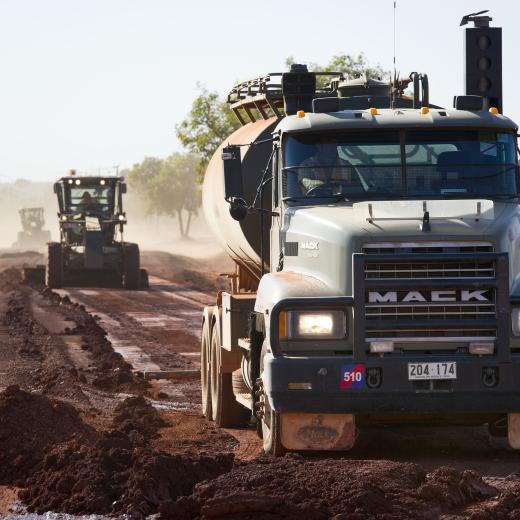
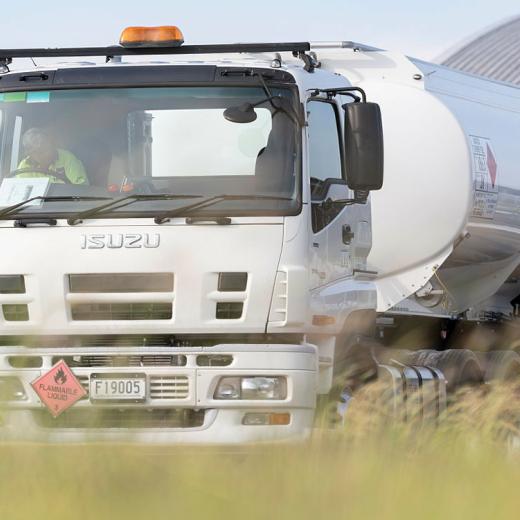
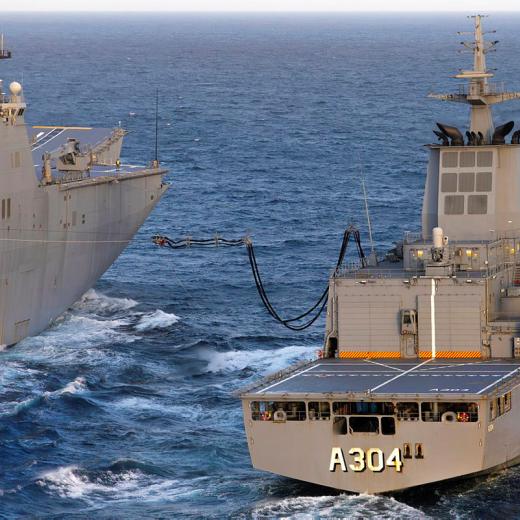
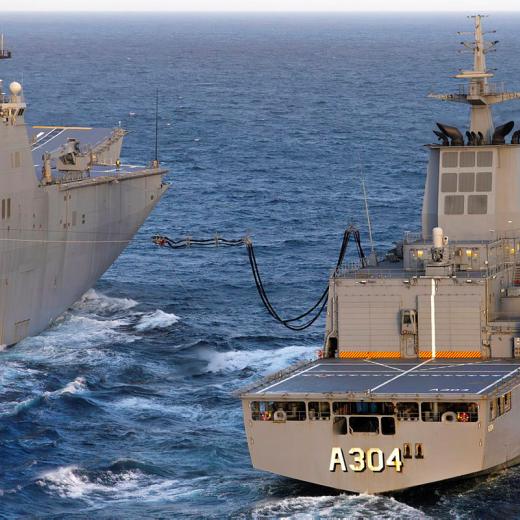
  • There is targeted investment for fuel resilience and theatre logistics — ensuring the ADF can sustain operations even under supply pressure. 

Base and infrastructure resilience

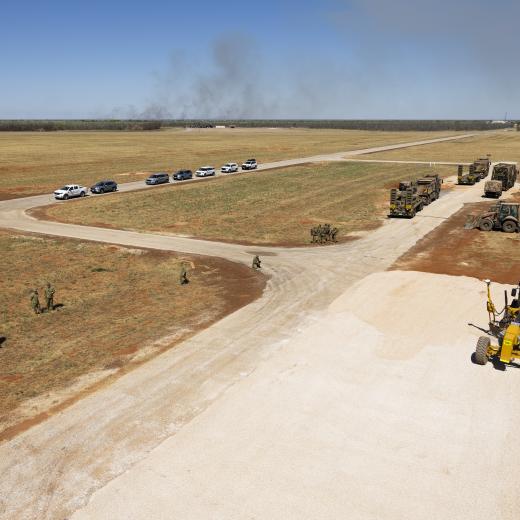
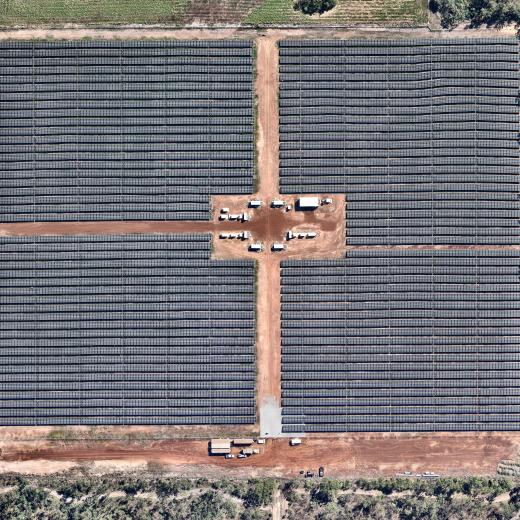
  • Funding is allocated to enhance northern bases and broader logistics infrastructure, making them more resilient and better able to support sustained defence operations.

    Cyber and space resilience

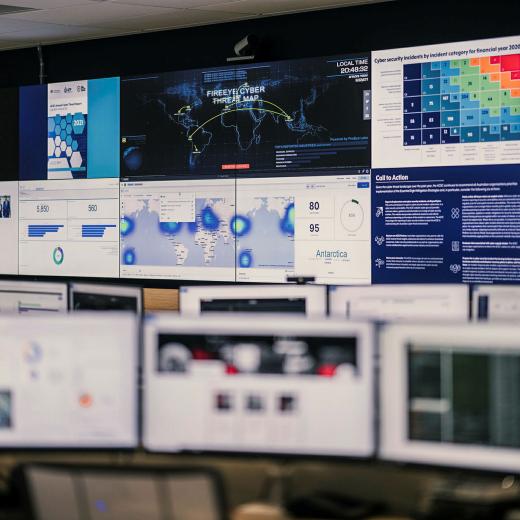
  • The IIP boosts cyber and electronic warfare capabilities and space-based situational awareness — strengthening Defence’s resilience to cyber threats and disruption of critical communications and networks.

    Workforce and skills resilience

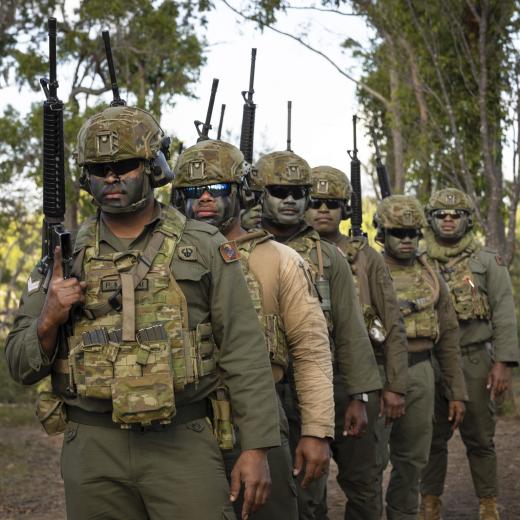
  • Although less explicit on the surface, a cross-cutting piece of the IIP’s implementation is investment in workforce development, which supports long-term resilience in Defence’s ability to recruit, retain and skill personnel for emerging capability needs. 

3. How Resilience Fits Into the Broader Defence Goals

Both documents frame resilience as an integral part of a balanced approach to defence preparedness:

  • Strategic resilience — underpinning deterrence and disruption resistance at the national level.
  • Operational resilience — supported through logistics, infrastructure, cyber security, and force readiness.
  • Industrial resilience — strengthening local supply chains and defence industrial capacity so that critical systems can be sustained, repaired and produced domestically if needed.