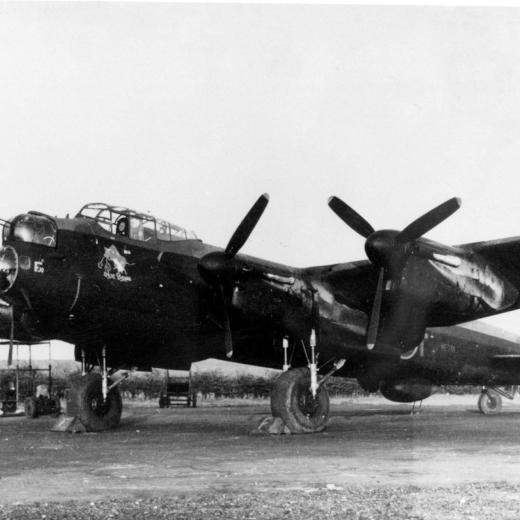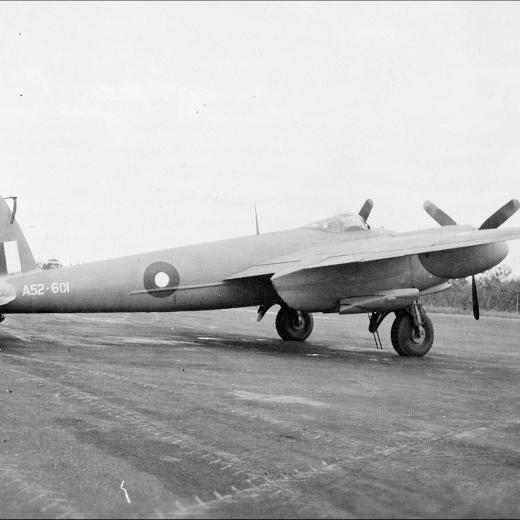
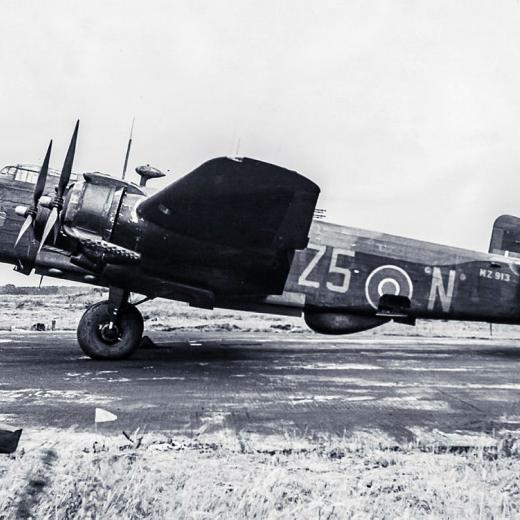
During World War II, RAF Bomber Command was a major component of the Royal Air Force (RAF) and played a crucial role in the Allied strategic bombing campaign against Germany and occupied Europe. Formed in 1936, Bomber Command's primary objective was to conduct long-range bombing missions against enemy targets, primarily industrial centers and military infrastructure.
  • '55,573 young men died flying with Bomber Command during World War Two; that's more than those who serve in the entire Royal Air Force today.'   Source: About Bomber Command | Bomber Command Memorial (rafbf.org)
  • ... the Eighth suffered about half of the U.S. Army Air Force's casualties (47,483 out of 115,332), including more than 26,000 dead.  Source: Eighth Air Force History > 8th Air Force/J-GSOC > Display (af.mil)
  • 'The most dangerous theatre of operations for Australians in the Second World War was the air war over Europe. Almost one in five Australian airmen to serve in Britain did not survive the war. For those members of the RAAF serving in RAF Bomber Command, more than one in three were killed; amounting to 20 per cent of all Australian combat losses in the Second World War. Different sources give varying numbers of Australians killed while serving in Bomber Command, from 3,486 (cited in the Australian Official History) to 4,059 (in the British Official History).' Source: RAAF losses in Bomber Command: understanding the numbers | Australian War Memorial (awm.gov.au)

The following RAAF Squadrons were part of Bomber Command:-

  • 455 Squadron: Formed in 1941, this was one of the first two RAAF bomber squadrons and initially flew Wellington bombers.
  • 458 Squadron: Also formed in 1941, this squadron flew Hampden bombers before moving to Coastal Command in 1942.
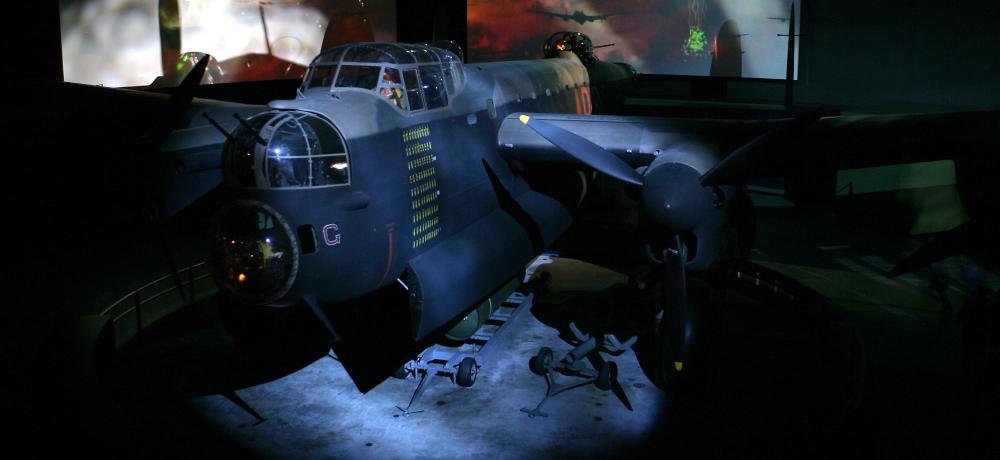
  • 460 Squadron: The largest RAAF squadron in Bomber Command, it flew Lancaster bombers and was known for its extensive operations. The famous "G for George" Lancaster was part of this squadron.
  • 462 Squadron: Initially an RAAF squadron, it was re-designated as 614 Squadron RAF in 1944, though it retained some Australian personnel for a time.
  • 463 and 464 Squadrons: These squadrons were formed in late 1942 and flew their first missions in 1943.
  • 466 and 467 Squadrons: Also formed at the end of 1942, they also flew their first missions in early 1943, though with a relatively small number of Australian aircrew.  
SEE:  MILITARY HISTORY INDEX PAGES AND COLLECTIONS ON THE RAAF RUNWAY 
RAAF RUNWAY: RATIONALE, GUIDELINES, LEARNING OUTCOMES, ETC